When Is Roof Replacement The Right Choice For A Brisbane Home?
A well-maintained roof can protect a home for decades, but no roofing system lasts forever. Brisbane’s intense sunlight, heavy summer rain, high humidity and seasonal storms can gradually weaken tiles, metal sheets, flashings, fixings and supporting materials.
Some roofing problems can be resolved through repairs or restoration. However, when deterioration becomes widespread or the roof is no longer structurally reliable, a complete roof replacement in Brisbane may provide better long-term value than continuing to repair individual problems.
Replacing a roof is a major home improvement project, but it can also remove recurring maintenance concerns, improve weather protection and give the property a completely refreshed appearance.
This guide explains the signs that a roof may need replacement, the difference between restoration and reroofing, the typical replacement process and what Brisbane homeowners should consider before accepting a quote.
What Is A Roof Replacement?
A roof replacement involves removing some or all of the existing roofing system and installing new roofing materials.
Depending on the property and agreed scope of work, this may include replacing:
- Existing tiles or metal roof sheets
- Ridge capping and pointing
- Sarking or roof underlay
- Roofing battens
- Flashings and valleys
- Screws, fixings and sealants
- Damaged sections of the supporting roof structure
- Associated roof penetrations and weatherproofing components
A professional roof replacement service should begin with an inspection to assess both the visible roofing materials and the condition of the underlying structure.
Learn more about our complete roof replacement services in Brisbane.
Signs Your Roof May Need Replacement
Not every leak or broken tile means the entire roof needs to be replaced. The decision generally depends on the extent of the deterioration, the condition of the roof structure and whether repairs remain economically sensible.
Common signs that replacement may need to be considered include the following.
Widespread Or Recurring Roof Leaks
A single leak may come from a damaged tile, failed flashing or loose metal sheet. These issues can often be repaired without replacing the roof.
However, repeated leaks across different areas may indicate that the roofing system has deteriorated more broadly. Water entering through several points can also damage insulation, ceilings, timber framing and electrical components.
If leaks continue despite previous repairs, a comprehensive assessment may reveal that reroofing is a more dependable solution.
Extensive Rust Or Corrosion
Small areas of surface rust on a metal roof may be treatable when identified early. More advanced corrosion can cause sheets to weaken, develop holes or fail around screws and overlaps.
A metal roof may be beyond practical restoration when:
- Rust affects numerous sheets
- Corrosion has created holes or thin areas
- Screws no longer hold securely
- Sheet edges and overlaps have significantly deteriorated
- Previous coatings have failed across large areas
- Water is entering through multiple sections
Replacing isolated sheets may be possible, but widespread deterioration often makes a complete metal roof replacement more economical and reliable.
Severely Damaged Or Deteriorated Tiles
Broken tiles can normally be replaced individually. The roof may need more extensive work when a large percentage of tiles have become cracked, brittle, porous or difficult to match.
Older tiled roofs can also develop problems with:
- Deteriorated bedding mortar
- Loose ridge capping
- Repeatedly cracking tiles
- Movement across the roof surface
- Failing flashings and valleys
- Water entering beneath the tiles
If the tiles and underlying roofing components have reached the end of their serviceable life, replacing the roof may offer better value than continuing with ongoing repairs.
Sagging Or Uneven Roof Sections
A sagging roofline is different from cosmetic surface wear. It may indicate deterioration or movement within the supporting roof structure.
Possible causes can include:
- Moisture-damaged timber
- Termite damage
- Inadequate structural support
- Movement within the building
- Excessive weight
- Long-term water entry
- Deteriorated battens or framing
A visibly uneven roof should be assessed promptly. Structural repairs may be required before new roofing materials can be installed.
Repeated Repairs Are No Longer Cost-Effective
Regular maintenance is part of owning a home, but repeated repair bills can eventually exceed the value of keeping an ageing roof in service.
If a homeowner is continually paying to repair leaks, replace tiles, reseal flashings or address new areas of corrosion, replacement may provide a clearer long-term solution.
A roofing contractor should assess the whole roof rather than recommending another isolated repair without considering its broader condition.
The Roof Has Reached The End Of Its Serviceable Life
The age of a roof does not automatically determine whether it needs replacement. Material quality, installation, maintenance, weather exposure and previous repairs all influence longevity.
However, an older roof experiencing several problems at once may have reached the point where restoration is no longer appropriate.
An inspection can help determine whether the existing materials remain suitable or whether continuing to repair the roof will only delay an inevitable replacement.
Roof Restoration Or Roof Replacement?
One of the most important decisions is whether the existing roof can be restored or needs to be replaced.
Roof Restoration
A roof restoration repairs and improves the existing roofing system. It may include cleaning, replacing damaged tiles, repointing ridge capping, treating suitable surface rust and applying protective coatings.
Restoration may be appropriate when:
- The underlying structure remains sound
- Damage is repairable
- Corrosion is limited and treatable
- Most tiles or metal sheets remain serviceable
- The roof needs several repairs but not complete replacement
- The surface is faded or weathered but structurally suitable
Read more about professional roof restoration in Brisbane.
Roof Replacement
Replacement is generally more suitable when:
- Roofing materials have deteriorated extensively
- Metal sheets are perforated or heavily corroded
- Tiles are widely damaged, brittle or no longer serviceable
- The roofline is sagging or structurally compromised
- Water is entering through multiple sections
- Repairs have repeatedly failed
- Restoration would not provide a reliable long-term result
A reputable roofer should clearly explain why restoration or replacement is being recommended and identify the evidence supporting that advice.
Metal Roof Replacement In Brisbane
Metal roofing is widely used across Brisbane because it is relatively lightweight, durable and suitable for many residential roof designs.
A metal roof replacement may involve removing old sheets and installing a complete new system with compatible flashings, fixings, ridge capping and weatherproofing components.
Metal roofing may be selected because it offers:
- A broad range of modern colours and profiles
- Relatively low weight
- Efficient rainwater runoff
- Strong resistance to cracking
- Suitability for many roof pitches
- Reduced issues with broken or displaced tiles
- A clean and contemporary appearance
Replacing an older roof also provides an opportunity to inspect sarking, battens and underlying structural areas that may not have been visible beforehand.
Where the business has confirmed the product, a new Colorbond® roof may be an option. The final material selection should take into account the home’s design, location, roof pitch and relevant building requirements.
Learn more about new metal roofs in Brisbane.
Tile Roof Replacement In Brisbane
Tile roofing remains common across established Brisbane suburbs. Depending on the property, homeowners may choose concrete or terracotta tiles when replacing an existing tiled roof.
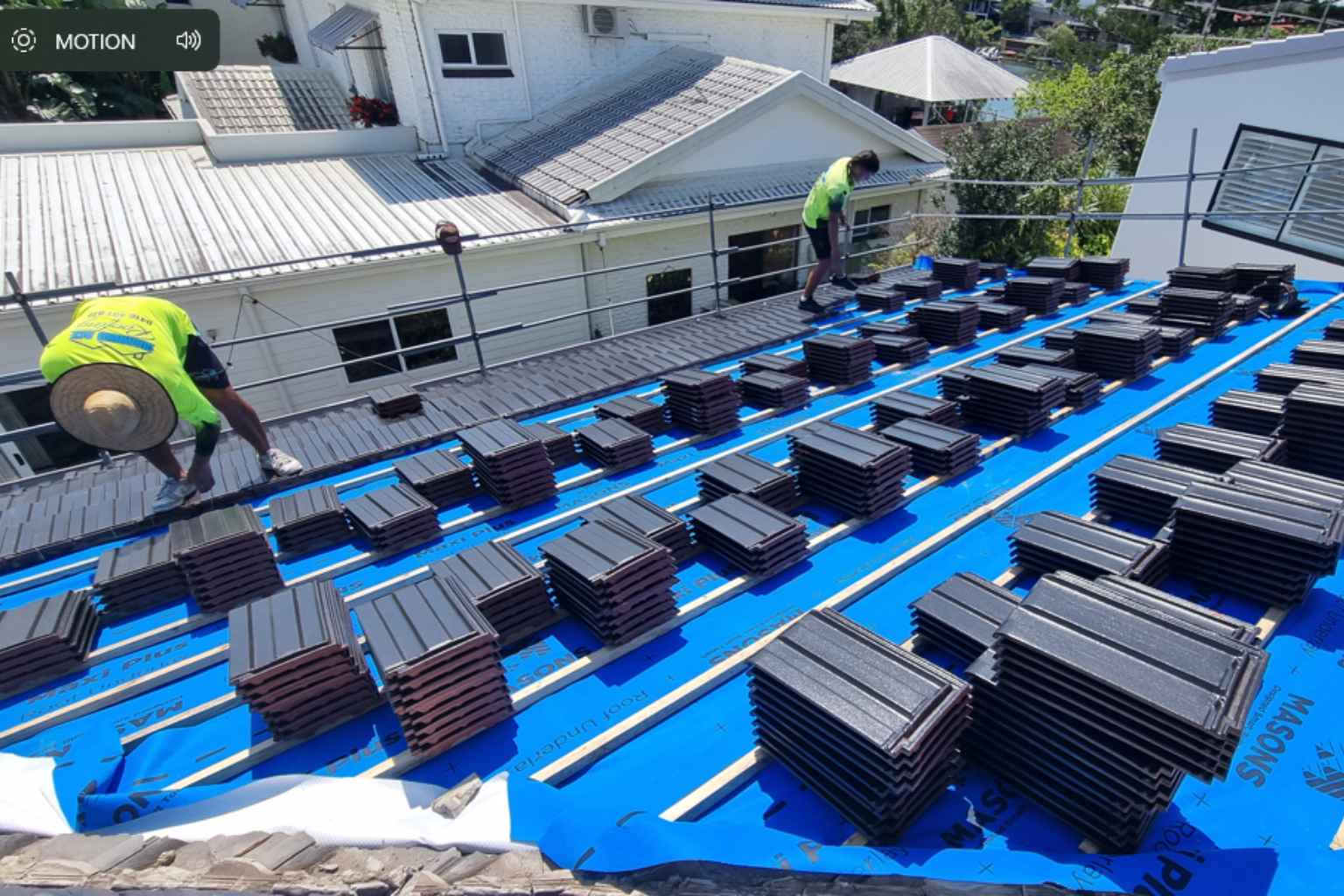
A tile roof replacement generally involves removing the existing tiles, inspecting the underlying structure and installing new battens, tiles, ridge capping and associated weatherproofing where included in the scope.
Potential benefits of tile roofing include:
- A traditional appearance suited to many homes
- A wide variety of colours and profiles
- Individual tiles that can be replaced if damaged
- Good acoustic performance during rain
- Compatibility with many established Brisbane properties
Tiles are heavier than metal roof sheets, so the structure must be suitable for the selected product. Any change in roofing material should be properly assessed before work begins.
Can A Tile Roof Be Replaced With Metal Roofing?
In some circumstances, an existing tiled roof can be replaced with a new metal roofing system.
This type of conversion may appeal to homeowners wanting a lighter roof, a more modern appearance or fewer concerns about cracked and displaced tiles.
However, changing roofing materials involves more than simply removing tiles and installing metal sheets. The contractor may need to assess:
- Roof pitch and design
- Existing battens and framing
- Sarking and insulation
- Flashings and drainage
- Wind classification
- Ventilation
- Building approval requirements
- Compatibility with gutters and roof penetrations
The proposed system should be designed and installed for the individual property and local building conditions.
The Roof Replacement Process
The exact process varies between projects, but most professional roof replacements follow several key stages.
1. Roof Inspection And Assessment
The contractor inspects the roof to identify visible damage, measure the roofing area and assess access, pitch and complexity.
Where possible, the inspection should also consider the condition of:
- Roofing sheets or tiles
- Ridge capping
- Flashings
- Valleys
- Roof penetrations
- Battens
- Sarking
- Visible structural components
- Gutters and drainage points
This information is used to determine the proposed scope and whether additional repairs may be required.
2. Written Quotation
The written quote should explain what will be removed, repaired, supplied and installed.
It should clearly identify:
- The selected roofing material
- Roof colour and profile
- Removal and disposal of old materials
- New battens or sarking, where included
- Flashings and ridge capping
- Structural repairs included in the price
- Site access and safety requirements
- Expected project timeframe
- Payment terms
- Warranty information
- Potential variations or exclusions
Homeowners should compare the complete scope of each quotation rather than looking only at the final price.
3. Product Selection And Planning
The roofing material, profile and colour are selected before installation. Materials then need to be ordered and the project scheduled around availability and weather conditions.
Depending on the work, approvals or additional documentation may also be required before the project begins.
4. Site Preparation
Before removing the roof, the contractor prepares the site and arranges the required safety systems.
This may include:
- Scaffolding or edge protection
- Safe material delivery areas
- Protection for gardens and outdoor areas
- Waste collection
- Access arrangements
- Weather monitoring
- Coordination around solar panels, antennas or other roof fixtures
Homeowners should receive clear advice about access, noise, vehicles and how the property will be protected during the work.
5. Removal Of The Existing Roof
The old roof tiles or metal sheets are carefully removed and disposed of.
Once the roof is opened, previously hidden damage may become visible. This can include deteriorated battens, damaged sarking, timber decay or evidence of long-term water entry.
The quotation should explain how unexpected structural repairs or additional work will be handled.
6. Repairs And Preparation
Necessary work is completed before the new roofing materials are installed.
Depending on the roof, this stage may involve:
- Repairing damaged timber
- Replacing unsuitable battens
- Installing new sarking
- Correcting areas of movement
- Preparing valleys and flashings
- Adjusting roof penetrations
- Addressing drainage or ventilation concerns
The quality of this preparation is essential to the performance of the finished roof.
7. New Roof Installation
The new tiles or metal sheets are installed in accordance with the selected system and project requirements.
Flashings, valleys, ridge capping, fixings, sealants and other components are completed as the installation progresses.
Attention should be given to vulnerable areas such as chimneys, vents, skylights, walls and changes in roof direction.
8. Final Inspection And Site Clean-Up
Once installation is complete, the roof should undergo a final inspection.
The contractor should check the workmanship, flashings, fixings, ridge capping, penetrations and overall finish. Waste and loose materials should also be removed from the property.
Homeowners should retain their invoice, product details, colour information and written warranty documents.
How Long Does A Roof Replacement Take?
The timeframe for a residential roof replacement depends on the size and complexity of the roof.
A straightforward project may be completed within several working days, while a larger or more complicated roof can take considerably longer.
Factors affecting the schedule include:
- Roof size and pitch
- Single or double-storey access
- Tile or metal roofing
- Structural repairs
- Material availability
- Scaffolding requirements
- Number of valleys and penetrations
- Removal and disposal requirements
- Rain, wind and extreme weather
- Approval or inspection requirements
The roofing contractor should provide an estimated schedule before work begins, although weather and hidden damage can affect the final timeframe.
What Affects Roof Replacement Costs?
There is no single fixed cost for replacing a roof because every property has different dimensions, materials, access conditions and repair requirements.
The main cost factors include:
- Total roof area
- Roof pitch and design
- Height and accessibility
- Existing roofing material
- Selected replacement material
- Number of ridges, valleys and penetrations
- Scaffolding and safety equipment
- Removal and disposal costs
- New sarking or insulation
- Batten replacement
- Structural timber repairs
- Flashings and drainage work
- Skylights, solar panels and antennas
- Product profile, colour and availability
A low quote may not include the same preparation, materials, safety provisions or structural allowances as a more detailed proposal.
For this reason, homeowners should request a clear written scope and confirm what is excluded before proceeding.
Benefits Of Replacing An Ageing Roof
When an existing roof is beyond practical repair, replacement can deliver several long-term benefits.
Improved Weather Protection
A new roofing system replaces deteriorated materials, failed flashings and worn fixings that may be allowing water to enter the building.
Correctly installed roofing can provide more reliable protection during Brisbane’s summer rain and storms.
Fewer Ongoing Repairs
Replacing a heavily deteriorated roof can remove the cycle of recurring leaks and repeated patch repairs.
Regular inspections and maintenance will still be needed, but homeowners should no longer be relying on ageing materials that continue to fail in different areas.
A Refreshed Property Appearance
The roof is one of the largest visible exterior surfaces of a home. New roofing can significantly update the property’s appearance and complement future painting or exterior improvements.
Opportunity To Improve Roofing Components
Replacement allows the contractor to inspect areas normally hidden beneath the tiles or sheets.
Depending on the scope, this may create an opportunity to improve sarking, battens, flashings, ventilation and other roofing components.
Long-Term Confidence
A properly assessed and installed new roof provides greater confidence than repeatedly repairing a roof that has reached the end of its serviceable life.
The exact product and workmanship warranties should always be supplied in writing and reviewed before work begins.
How To Choose A Roof Replacement Contractor
Roof replacement is a substantial project, so homeowners should carefully assess the contractor and quotation.
Before accepting a proposal, check that the roofing contractor:
- Holds the appropriate Queensland licence
- Carries suitable insurance
- Has experience with the selected roofing material
- Provides a detailed written quotation
- Explains how hidden damage and variations are handled
- Uses compliant roofing products and components
- Provides written warranty information
- Has examples of completed replacement projects
- Clearly explains safety and site-access arrangements
- Offers reliable contact and after-sales support
Be cautious of vague quotations that provide one total price without explaining the roofing material, preparation or structural work included.
Maintaining A New Roof
Although a new roof should require less corrective work than an ageing one, ongoing maintenance remains important.
Homeowners should:
- Keep gutters, valleys and downpipes clear
- Trim branches away from the roof
- Check for visible damage after major storms
- Address loose flashings or damaged materials promptly
- Avoid unnecessary foot traffic
- Arrange professional inspections when concerns arise
- Maintain sealants around penetrations where required
- Follow product and warranty maintenance instructions
- Retain all project and warranty documentation
Early attention to minor problems can help protect the roofing system and surrounding building components.
Professional Roof Replacement Across Brisbane
A roof replacement may be the right choice when widespread damage, corrosion, structural concerns or recurring leaks make further restoration uneconomical.
At Roof Restoration Specialists Brisbane, our team assesses existing tile and metal roofs and explains whether repair, restoration or replacement offers the most practical solution. Where a new roof is required, the proposed work is tailored to the property, roofing material and local conditions.
Contact our Brisbane roofing team to arrange an inspection and request a clear, no-obligation quote.